
DVLS Chromatography Analyzers — GC Solutions for the Gas and Petrochemical Industry
ASTM · DIN · EN · IP · ISO · GPA · UOP compliant. Da Vinci Laboratory Solutions has been the versatile chromatography partner to refineries, gas plants, and petrochemical labs worldwide since 2000. DHA, SimDist, RGA, LGI, Secondary Oven — every system built on the Agilent GC platform with PetroReporter software and factory acceptance tested before shipment.
Download Brochure
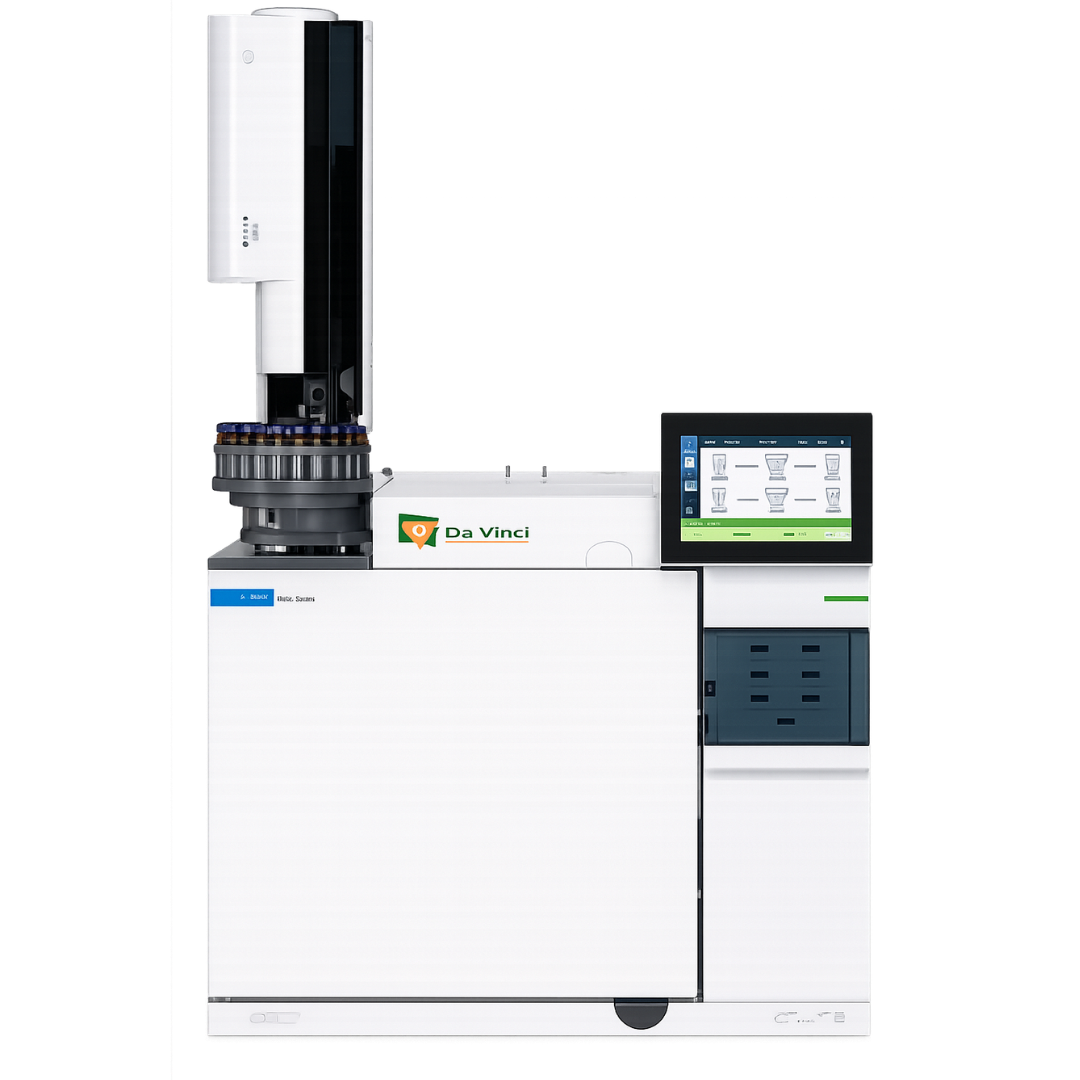
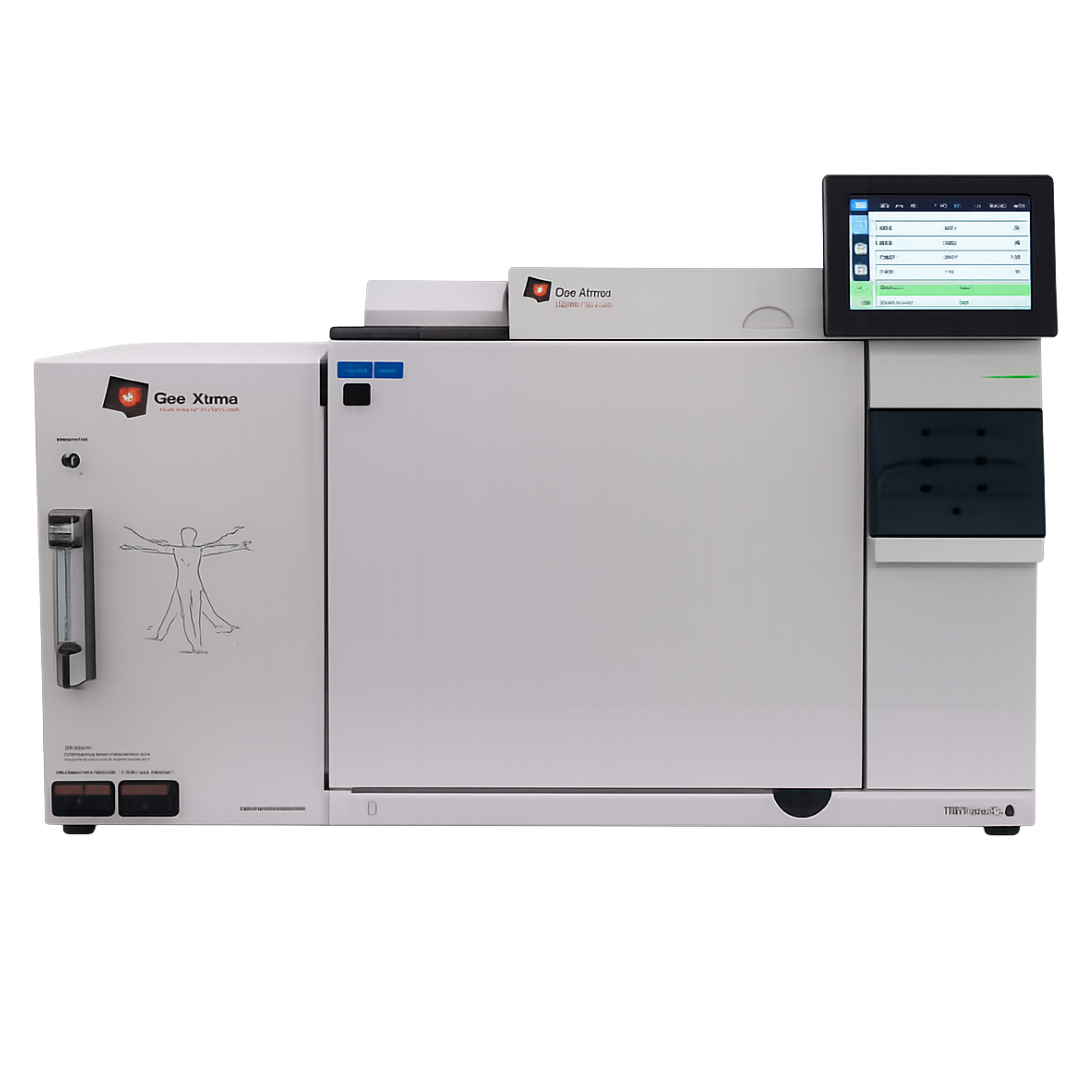
Petrochemical and Gas Analysis Requires More Than a Standard GC — It Requires a Configured, Proven, Application-Specific System
A standard gas chromatograph is a platform. What makes it produce a compliant ASTM D5134 DHA report, a D7169 vacuum residue boiling point curve, or a D1946 refinery gas composition with BTU calculations is the configuration — the right columns, valves, detectors, inlet, and software working together in a system that has been validated against a reference sample before it leaves the factory. That configuration is what Da Vinci Laboratory Solutions provides.
Da Vinci Laboratory Solutions (DVLS) was founded in 2000 as a laboratory support provider and has grown into the versatile chromatography partner to refineries, gas plants, and petrochemical laboratories worldwide. Every DVLS analyzer is built on the Agilent Technologies GC platform — the industry benchmark for petroleum GC — and configured with dedicated columns, inlets, valves, and detectors matched to the target test method. The DVLS PetroReporter software automates all aspects of calibration, data processing, and reporting across DHA, SimDist, gas calculation, and custom applications from a single universal platform.
As an Agilent Channel Partner, DVLS develops, assembles, and supports chromatography solutions from their headquarters in Rotterdam, Netherlands. Their application and test laboratory, training facilities, and R&D office mean that every configuration is backed by proven application expertise — not just hardware assembly. KB Scientific Instruments, through Windard Analytical, is the authorized Midwest representative for DVLS solutions. Kevin Batt will review your target methods, sample types, and throughput requirements and recommend the right DVLS configuration for your lab.
What DVLS Chromatography Analyzers Deliver in Your Lab
Built on the Agilent GC Platform — Configured for Petroleum
Every DVLS analyzer is based on the Agilent Gas Chromatograph — the most widely installed and supported GC in the petroleum industry. Dedicated columns, injection ports, detectors, and valve configurations are selected and assembled for each specific petrochemical or gas application. Electronic Pneumatic Control (EPC) ensures stable, reproducible carrier gas flows across all methods.
PetroReporter — Universal Petroleum GC Reporting Software
DVLS PetroReporter automates data processing and reporting across DHA, SimDist, gas calculation, and custom applications from a single software platform. It is compatible with Agilent OpenLab CDS (OpenLab 2.x, Chemstation, EZChrom), can be operated standalone or networked, and is used by leading refineries worldwide. One software installation covers all DVLS applications — no additional licences required when adding a second analyzer type.
Application Guarantee — Factory Acceptance Tested
Every DVLS analyzer is tested according to in-house testing procedures using a reference sample before shipment. System performance and specification are verified at the DVLS factory in Rotterdam. A formal Factory Acceptance Test (FAT) can be scheduled on request — providing documented proof of performance before installation at your site.
Complete Analyzer Range — ASTM, DIN, EN, GPA, IP, ISO, UOP
DVLS analyzers comply with all standard test methods across the petroleum and gas analysis spectrum — from C1-C9 naphtha DHA through vacuum residue boiling point distribution to refinery gas calorific value calculations. Custom configurations are available for non-standard applications using multiple valve configurations and various detector types (MSD, PDHID, PFPD, SCD, VUV, XSD).
Secondary Oven — Dual GC Analysis Without a Second GC
The Da Vinci LS Secondary Oven expands a single Agilent 8890 GC into a simultaneous dual-analysis system. Independent temperature programming allows two methods with different oven programs to run at the same time — without compromising either method, reducing column lifetime, or requiring a second GC and additional software licence. Data files from both channels merge automatically into a single CDS file.
Hydrogen Safety — DVLS³ Simply Smart Sensor
Hydrogen is the ideal alternative to helium as a GC carrier gas — faster analysis, lower cost, unlimited supply. The DVLS³ Simply Smart Sensor provides continuous hydrogen concentration monitoring inside the GC oven, enabling safe hydrogen carrier gas use. Compatible with all GC brands. A critical safety requirement for any lab switching from helium to hydrogen carrier gas.
ASTM Method Compliance — By Analyzer
Detailed Hydrocarbon Analysis
• ASTM D5134 — Naphtha, reformates, alkylates (olefin-free) — up to 250°C FBP
• ASTM D6729 — Spark-ignition fuels with oxygenates — 100m column
• ASTM D6730 — Naphtha, reformates, gasoline with oxygenates — 100m column
• ASTM D6733 — Naphtha, reformates, gasoline with oxygenates — 50m column
• ASTM D7900 — Stabilised crude oil light ends; SimDist-DHA merge
Simulated Distillation
• ASTM D2887 — Jet fuel, diesel, <C44, FBP ≤545°C
• ASTM D5442 — Wax / alkane profile, nC17–nC44
• ASTM D6352 — Lube oil base stocks, <C90, FBP ≤700°C
• ASTM D7096 — Gasoline and blending components, <C16
• ASTM D7169 — Vacuum residues and crude oil, <C120, FBP ≤750°C
• ASTM D7213 — Lube oil base stocks, <C60, FBP ≤615°C
• ASTM D7398 — FAMES, <C18
• ASTM D7500 — Distillates and lube base stocks, <C110
• ASTM D7900 — Crude oil (DHA-SimDist merge)
Liquefied Gas Injector & Application Methods
• ASTM D7756 — Residue in LPG
• ASTM D7169 + D7900 — Simultaneously (crude oil boiling point + light ends)
• ASTM D2163 + D7756 — Simultaneously (LPG composition + oily residue)
Note: Supports any dual-method application requiring independent temperature programs
Refinery Gas Analyzer
• Refinery gases: ASTM D1946, D2504, D7833
• LPG: ASTM D2163, D2593, D4424
• Gas calculations: ASTM D2598, D3588
Seven Solutions. One Proven Platform.
Detailed Hydrocarbon Analysis
For naphtha, reformate, gasoline, and stabilised crude oil. DVLS DHA Analyzers determine individual hydrocarbon components in light petroleum streams per ASTM D5134, D6729, D6730, D6733, and D7900 — all 5 standard DHA methods on one configured Agilent GC system.
Based on the flexible, reliable Agilent 7890/8890 GC platform
Dedicated DHA analytical columns: 50m or 100m (method dependent)
Split/Splitless injection port with cryogenic cooling (N₂ or CO₂)
High-scanning-rate FID for accurate peak integration
Compound identification by Retention Index (RI) method
PIONA group-type analysis: Paraffin, Isoparaffin, Olefin, Naphthene, Aromatic
Oxygenate quantification (D6729, D6730, D6733)
Calculated fuel properties: Bromine Number, Gross/Net Heat of Combustion, RVP, RON, MON, Specific Gravity
SimDist-DHA merge for crude oil TBP characterisation (D7900) via PetroReporter
PetroReporter software — automated data processing and reporting
Compatible with Agilent OpenLab CDS, Thermo, DataApex, Scion
Factory tested against reference sample before shipment; FAT available on request
Methods: ASTM D5134, D6729, D6730, D6733, D7900
Detection range: 0.01% to 30% mass (D6733: up to 15%)
Sample types: naphtha, reformate, alkylate, gasoline blends, stabilised crude oil
DVLS SimDist Analyzer — Simulated Distillation
For crude oil, vacuum residues, lube base stocks, diesel, jet fuel, gasoline, wax, and FAMES. The DVLS SimDist Analyzer range covers all ASTM, DIN, EN, IP, and ISO simulated distillation methods with a boiling point distribution up to 750°C FBP.
Based on the Agilent GC configured for the target SimDist method
DVLS Programmable Temperature Inlet (PTI) — dedicated SimDist inlet
PTI enables direct injection, stable blank runs, minimal carryover, no dead volume
Avoids discrimination of heavy components in high-boiling samples
GC column, calibration, reference, and QC samples included
PetroReporter automates SimDist data processing and generates all required reports
SimDist report types: Alkane Profile (Wax), Cut Point Distribution, Distillation Percent, Distillation Boiling Point, Flash Point Correlation, Motor Oil Volatility (MOV), Noack Evaporation Loss, TBP Distribution, Volume Correlation, ASTM D86/STP 577 customisable reports
SimDist-DHA merge for crude oil: PetroReporter merges High Temp SimDist with DHA to improve front-end boiling point curve resolution
Methods: ASTM D2887, D5442, D6352, D7096, D7169, D7213, D7398, D7500, D7900 · IP 406, 480, 507, 545 · EN 15199-1/2/3 · ISO 3924 · DIN 51.435/51.581
FBP range: up to 750°C (D7169 vacuum residues and crude oil)
Sample types: crude oil, vacuum residues, lube base stocks, diesel, jet fuel, gasoline, naphtha, wax, FAMES, vacuum gas oil, thermal cracker feed
Factory tested; FAT available on request
DVLS RGA — Refinery Gas Analyzer
Complete refinery and liquefied gas composition analysis in 5 minutes. The DVLS RGA characterises hydrocarbons (C1–C5+), permanent gases, and hydrogen sulfide simultaneously across three independent GC channels — plus automated gas calculation reporting.
Based on Agilent 8890 GC with three independent channels and EPC
Three channels operating simultaneously: FID + two TCDs
Channel 1 (FID): C1–C5 hydrocarbons, C6+ hydrocarbons
Channel 2 (TCD): permanent gases — H₂, O₂, N₂, CO, CO₂
Channel 3 (TCD): H₂S — 8-minute analysis time
DVLS Side Carrier with heated zones containing valves and Molsieve columns
Built-in Molsieve column conditioning reduces downtime during regeneration
Ultrasilc-coated sample path for inert, corrosion-resistant gas contact surfaces
Liquid Sampling Valve (LSV) for representative injection of liquefied gases
Optional: extended BTEX analysis; hydrogen carrier; pressure station; vacuum pump; inert valves for corrosive gases; fourth channel (methanizer or SCD/PFPD for sulfur)
PetroReporter gas calculation outputs: Liquid Volume, Molar Weight, Real Specific Gravity, Calorific/BTU Value, Wobbe Index, Motor Octane Number, Compressibility, Carbon Emission Factors
Methods: ASTM D1946, D2163, D2504, D2593, D2598, D3588, D4424, D7833 · DIN 51666 · EN 15984, 27941, 589 · IP 405 · ISO 7941, 8973 · UOP 539, 603
Analysis time: 5 minutes (standard); 8 minutes with H₂S
Sample types: refinery gas, LPG, natural gas, biogas, flue gas, propane, syngas
DVLS Liquefied Gas Injector (LGI)
A fast, safe, and accurate solution for sampling and analysis of impurities in liquefied gases. The LGI is a patented direct injection system for liquefied gas samples — a safe and accurate alternative to liquid sampling valves or manual evaporation methods.
Patented direct injection approach for liquefied gas samples into a GC
Safe alternative to liquid sampling valve or manual evaporation
DVLS Pressure Station provides safe and accurate sample introduction of LPG
Compatible with the Agilent GC platform
Determines: inhibitors, additives, and dimer in 1,3-Butadiene (ACN, TBC, VCH, NMP, DEHA, BHT, DMF and residue); elemental sulfur in LPG; oxygenates in liquefied gases; sulfur compounds in light hydrocarbons
Methods: ASTM D7756 (residue in LPG), EN 16423 (residue analysis in LPG)
Sample types: 1,3-Butadiene, butylenes, crude C4 streams, ethylene, LPG, propylene, raffinate, unstabilised condensate
Supplied as complete solution: Agilent GC, LGI controller, Pressure Station
DVLS³ Simply Smart Hydrogen Sensor
A dedicated hydrogen leak detection sensor for GC ovens — the safety enabler for switching from helium to hydrogen as GC carrier gas. Compatible with all GC brands. Continuous monitoring of hydrogen concentration inside the GC oven with automatic alerts.
Detects hydrogen leaks inside the GC oven continuously
Enables safe use of hydrogen as GC carrier gas — the ideal helium alternative
Compatible with all GC brands — not limited to Agilent
Benefits of hydrogen carrier: faster analysis, no loss of chromatographic resolution, lower cost, unlimited supply vs. helium scarcity
Dedicated Da Vinci LS Hydrogen Sensor Software — displays concentration, alarm thresholds, and sensor status
Reduces risk of explosive gas accumulation in the GC oven to safe levels
Required safety step for any laboratory switching from helium to hydrogen carrier gas in GC
Application: any GC system where hydrogen is used or planned as carrier gas
Da Vinci LS Secondary Oven
Expands a single Agilent 8890 GC into a simultaneous dual-analysis system. Independent temperature programming allows two methods with different oven programs to run at the same time — without a second GC, without additional software licences.
Designed exclusively for the Agilent 8890 GC
Full-sized oven — up to two 7-inch GC columns
Independent temperature programming: each oven runs its own program simultaneously
No compromise to either method, column lifetime, or data integrity
All Secondary Oven parameters controlled directly through the Agilent 8890 GC interface
Data files from GC and Secondary Oven merged automatically into a single CDS file — full traceability
Transfer line connection (optional) or own inlet/detector configuration (no transfer line needed)
Detector options: FID, TCD, NPD, PFPD, MSD portfolio
Inlet options: Split/Splitless, Cool On Column, Da Vinci LS PTI, Pre-Fractionator
Injection options: Liquid Sampling Valve (LSV) or Automatic Liquid Sampler (ALS)
Optional Methanizer for CO/CO₂ → CH₄ conversion
Supports GC×GC and heart-cut applications with independent second-dimension column temperature control
No additional GC software licence required
Key applications: crude oil (ASTM D7900 + D7169 simultaneously); LPG (D2163 + D7756 simultaneously)
Other DVLS Solutions
Da Vinci Laboratory Solutions offers a broader range of chromatography analyzers and accessories beyond the primary products listed here. The following DVLS solutions are available through KB Scientific — contact Kevin for details on any of these.
DVLS Aromatics Analyzer — ASTM D5769 · benzene, toluene, aromatic content in gasoline blending feedstocks
DVLS Aromatics/Oxygenates Analyzer — ASTM D4815, D5501, D7059 · EN 13132 · combined aromatics and oxygenates in gasoline and blending feedstocks
DVLS Mid Distillates Analyzer — ASTM D6379, D6591, D8267 · IP 391/436/548 · EN 12916 · mono-, di-, tri-aromatics in jet fuel and diesel
DVLS PIONA Analyzer — ASTM D8071, D8267 · hydrocarbons and oxygenates in gasoline and jet fuel
DVLS Sulfur in Gasoline & Diesel Analyzer
DVLS Biodiesel Analyzer — FAME content in diesel blends
DVLS Crude Oil Analyzer — ASTM D7169, D7900 · EN 15199-3/4 · merged TBP distribution, individual components C1–C9
DVLS DHA to D86 Analyzer — ASTM D86 distillation modelling from DHA data
DVLS Fast Peroxide Analyzer — hydrogen and organic peroxides in process streams
DVLS Custom Applications — user-specified configurations with MSD, PDHID, PFPD, SCD, VUV, XSD detectors
DVLS Natural Gas Analyzer — ASTM D1945, D3588 · GPA 2172/2177/2186/2261/2286 · IP 345 · ISO 6974/6975/6976 · GOST 22667
DVLS LPG Analyzer — ASTM D2163, D2593, D2712, D4424, D6159 · DIN 51619 · EN 27941 · ISO 7941 · UOP 983/1014
DVLS Sour Gas Analyzer — high H₂S applications
DVLS Oily Residues in LPG Analyzer — ASTM D7756, EN 16423 · C10–C40 residue detection
DVLS Butadiene Analyzer — inhibitors and impurities in 1,3-Butadiene streams
DVLS Sulfur Impurities in Gas Analyzer — elemental sulfur and sulfur compounds in gas streams
DVLS Impurities in Ethylene & Propylene Analyzer — trace impurity analysis
DVLS Low Oxygenates (LowOx) Analyzer — ASTM D7059, D7423, D7754 · UOP 960/1015 · traces of oxygenates in gasoline, LPG, naphtha, propylene
DVLS PetroReporter — universal petroleum GC data processing: DHA, SimDist, Gas Calculation, Custom applications; compatible with OpenLab 2.x, Chemstation, EZChrom; client/server or standalone
DVLS³ Hydrogen Sensor Software — hydrogen concentration monitoring and alarm management
DVLS Custom Software Solutions
DVLS Time Scheduler
Specifications
ISO 9001 and ISO 14001 certified manufacturer (Da Vinci LS)
Safe liquefied gas injection, hydrogen carrier gas safety monitoring, dual simultaneous GC analysis without a second GC system, and access to the full DVLS catalog of gas and petrochemical analyzers — all through KB Scientific.
Compatible with Agilent GC platform
dedicated Da Vinci LS Hydrogen Sensor Software
FID, TCD, NPD, PFPD, MSD portfolio
automatic merging into single CDS file
Who Uses DVLS Chromatography Analyzers
Petroleum Refinery Process Labs
The primary application base for DVLS analyzers. Naphtha DHA for reforming and blending decisions (D5134, D6729, D6730). Simulated distillation for crude assay, cut point characterisation, and product boiling range (D2887, D7169). Refinery Gas Analyzer for continuous gas plant monitoring and calorific value reporting. Every major refinery analytical function covered by the DVLS range.
Gasoline & Fuel Blending Labs
PIONA composition, oxygenate content, benzene quantification, and calculated octane and RVP from a single DHA run per ASTM D6729/D6733. Simulated distillation for gasoline blending component cut points (D7096). Aromatics and oxygenates analysis for blending compliance per EN 13132 and ASTM D4815.
LPG, Gas Processing & Petrochemical Plants
RGA for LPG and refinery gas composition per ASTM D2163, D2593. Liquefied Gas Injector (LGI) for residue and impurity analysis in LPG, 1,3-Butadiene streams, and liquefied gas process monitoring per ASTM D7756 and EN 16423. Butadiene purity and inhibitor analysis.
Crude Oil Trading & Pipeline Labs
Crude oil light ends DHA per ASTM D7900 with automatic SimDist-DHA merge in PetroReporter for a complete TBP boiling point curve. Secondary Oven enables D7900 and D7169 simultaneously on a single Agilent 8890 — crude assay characterisation without a second GC system.
Lubricant & Base Oil Labs
Simulated distillation for lube base stock boiling range characterisation per ASTM D7213, D6352, and DIN 51.435. IP 480/507 for mid distillates and residues up to 750°C FBP. FAMES content analysis per ASTM D7398 for biodiesel blends in lubricant base stocks.
Aviation Fuel & Mid Distillates Labs
Jet fuel DHA per ASTM D5134. Distillation characterisation per ASTM D2887 and IP 406. Mono-, di-, and tri-aromatics in jet fuel and diesel per ASTM D6379 and IP 391 (DVLS Mid Distillates Analyzer). Low oxygenates trace analysis per ASTM D7059.
Why Source DVLS Analyzers Through KB Scientific
Three things that set sourcing DVLS chromatography solutions through KB Scientific apart from going direct or through a general scientific equipment distributor.
Advised by a Former Petroleum Lab Manager
Kevin Batt has managed petroleum and lubricant testing labs where DHA, SimDist, and gas analysis are part of the daily analytical program. He understands what ASTM D5134 and D7169 data are actually used for in a refinery context, and can advise on the right DVLS configuration — DHA vs SimDist, RGA channel options, Secondary Oven vs second GC — based on your specific methods, sample types, and throughput.
Authorized DVLS Representative
KB Scientific is an authorized representative for Da Vinci Laboratory Solutions (DVLS) in the Midwest. Direct manufacturer relationship means accurate application guidance, correct method and column configuration recommendations, and a clear line of accountability from initial consultation through installation and post-delivery support.
Local Midwest Support
Based in Fishers, Indiana, serving 10 states. Kevin is reachable directly by phone or email for pre-sale method consultation, GC configuration questions, FAT coordination, and post-delivery support. Not a distributor queue with multi-day response windows.
Frequently Asked
Questions
What refinery lab managers, petrochemical analysts, and gas lab procurement teams ask most often about DVLS chromatography solutions.
What is the difference between the DVLS DHA Analyzer and the SimDist Analyzer?
DHA (Detailed Hydrocarbon Analysis) resolves individual compound identities in light petroleum streams — it tells you exactly which hydrocarbons are present and at what concentration, down to 0.01% mass. SimDist (Simulated Distillation) measures the boiling point distribution of heavier petroleum streams by GC — it tells you what fraction distils at what temperature, up to 750°C. They address different analytical questions. Many refinery labs run both: DHA for naphtha, reformate, and gasoline blending; SimDist for crude oil, vacuum residues, lube base stocks, and mid distillates. PetroReporter handles both from the same software platform, and the Secondary Oven can run both simultaneously on one GC.
Can the RGA analyse both refinery gas and LPG on the same instrument?
Yes. The DVLS RGA is configured with three simultaneous channels that cover C1–C5+ hydrocarbons, permanent gases, and H₂S in a single 5-minute (or 8-minute with H₂S) analysis. The instrument is equally applicable to refinery gas, natural gas, LPG, biogas, flue gas, propane, and syngas. A Liquid Sampling Valve (LSV) and Pressure Station are available as options for representative injection of liquefied gas samples under pressure.
What does the DVLS Programmable Temperature Inlet (PTI) do for SimDist?
The DVLS PTI is a dedicated SimDist inlet developed by Da Vinci that replaces the standard GC inlet for high-boiling sample analysis. It allows direct injection, eliminates dead volume (which causes discrimination of heavy components), provides stable blank runs, and minimises carryover between high-boiling samples. For SimDist methods covering vacuum residues and crude oil up to 750°C FBP, the PTI is a critical component for accurate, reproducible results.
Can the Secondary Oven run two completely different test methods simultaneously?
Yes — that is precisely its purpose. The Secondary Oven has its own independent temperature program, completely separate from the Agilent 8890 GC main oven. Two methods that would normally require different temperature ramps — for example ASTM D7900 (DHA for light ends, up to 174°C) and ASTM D7169 (SimDist for heavy crude boiling distribution, up to 750°C) — run simultaneously in the same system session. Data from both channels are automatically merged into a single CDS file. No second GC, no additional software licence.
Why do I need the DVLS³ Hydrogen Sensor if I want to use hydrogen as carrier gas?
Hydrogen is an explosive gas. At concentrations above approximately 4% in air, it is flammable. Inside a GC oven — a heated enclosed space — even a small leak from a column fitting, injection port, or detector connection can accumulate to dangerous concentrations. The DVLS³ Simply Smart Sensor monitors hydrogen concentration inside the GC oven continuously and alerts the operator before dangerous levels are reached. It is the standard safety precaution for any laboratory using hydrogen as a GC carrier gas and is compatible with all GC brands.
Does PetroReporter require a separate software licence for each analyzer type?
No. PetroReporter is a universal platform — one installation covers DHA, SimDist, Gas Calculation, and Custom applications. A lab that already uses PetroReporter for SimDist can add a DHA analyzer and extend it to cover DHA reporting without a new software purchase. It is compatible with Agilent OpenLab CDS (OpenLab 2.x, Chemstation, EZChrom) and can be run standalone or in a client/server network configuration.
Other Instruments You May Need
Ready to Configure the Right
DVLS Analyzer for Your Lab?
Request a Quote or Technical Consultation
Kevin Batt — former petroleum lab manager, authorized DVLS representative — will review your target ASTM methods, sample types, throughput requirements, and existing GC infrastructure, and recommend the right DVLS configuration. DHA, SimDist, RGA, LGI, Secondary Oven, or any combination. All covered in a single conversation. No obligation.